


How to Clean Outdoor Toys Fast: Simple Steps and Timing
Posted by Simplay3 on 30 Jun 2026
A fun afternoon outside brings pure childhood joy—plus muddy slides, sticky water tables, and toy bins that seem to gather every crumb. If you’ve peeked outdoors at your play space and thought: Wow, that escalated fast, you’re not alone! Regular cleaning keeps toys inviting and helps them last longer, but it shouldn’t be overwhelming. This guide is a simple, supportive walkthrough: quick rinses, when to go deeper, how to handle different materials, smart disinfecting, and easy storage habits so playtime is always just a step away.
How Do I Easily Clean Outdoor Toys?
If you’re wondering, “Do I need fancy products or just plain soap?”—good news: Most plastic toys clean up with everyday supplies you probably already have. Here’s a go-to cleaning routine that works for almost any family:
- Shake or brush off loose dirt, leaves, and sand first.
- Rinse with a hose to wash away surface messes.
- Wash with mild dish soap and warm water using a soft brush. Pay special attention to textured areas, steps, handles, and tricky undersides.
- Rinse again and let everything air-dry completely before putting away.
Don’t stress about using harsh cleaners—they’re rarely needed. Just basic soap, water, and a little attention to nooks and crannies will do the trick for most durable plastic toys.
What Supplies Do I Need?
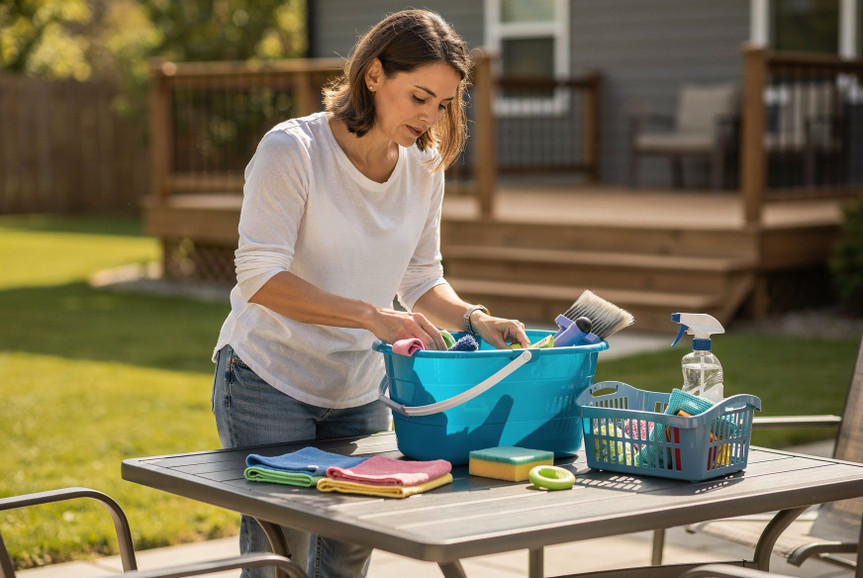
Keep it easy! Most basic outdoor toy cleaning jobs only require:
- Bucket
- Gentle dish soap
- Warm water
- Soft-bristle brush or old toothbrush for tight spots
- Sponge or microfiber cloth
- Garden hose
- Gloves (if you like)
These simple supplies cover almost everything, especially for plastic toys.
Should I Check Anything Before Cleaning?
Absolutely. Taking sixty seconds to inspect before you start can save headaches down the line:
- Cracks, sharp edges, or loose parts? Check for damage or wear.
- Fading, mold, mildew? Spot problem areas for extra attention.
If you’re ever unsure, the manufacturer’s guidelines are your best friend for figuring out repair, parts, or if it’s time to retire a well-loved toy. Safety comes first—always!
How Often Should I Clean Outdoor Toys?
There’s no one-size-fits-all answer. Here’s a supportive rhythm many families find works well (but do what fits for you):
- Weekly quick rinse: During high-play seasons, a once-a-week hose down keeps grime at bay.
- Monthly deeper clean: Or whenever toys start to look dirty.
- Before storing for winter or long rainy stretches.
- Right away after: Mud, bird droppings, spills, standing water, or if anyone’s been sick.
Remember: You know your children, your home, and your weather better than any guideline. Trust your instincts—cleaning only needs to be as involved as your family needs it to be.
Is a Quick Rinse Enough?
Most days, a quick rinse is perfect. For more stubborn messes, go for a full wash. Even if life gets busy and a deep clean happens less often, those quick rinses really do help!
What’s the Best Way to Clean Different Types of Outdoor Toys?
Different materials have different needs. You’re not being too particular if you adjust your approach! Here’s a parent-friendly breakdown:
Plastic Climbers, Slides, Playhouses & Ride-Ons
- Use mild dish soap, warm water, and a soft brush for messes.
- Pay attention to steps, handles, wheels, and textured areas where dirt likes to hide.
- Good news: Weather-resistant plastic doesn’t soak up grime like porous materials, so cleaning is quick and satisfying.
Simplay3’s active play collection is well-loved because products are designed with strong, smooth surfaces and rounded corners, built for easy cleaning and weather resistance.
Water Tables & Splash Toys
- Always empty basins after use to keep bugs and bacteria away.
- Rinse, wash with mild soap, and dry everything before storing or covering.
- Don’t forget accessories like cups and lids—they collect grime too!
Helpful hint: Simplay3’s sand and water play products offer drain plugs and secure lids, making cleanup faster. If you bring a water table inside for sensory play, just make sure it’s totally clean and dry first (here’s how!).
Sandboxes & Sand Toys
- Clear leaves and debris regularly.
- Cover sandboxes when not in use to keep out animals and rain.
- Wash buckets, shovels and other accessories with soapy water every so often.
- Replace sand if it’s wet for too long or seems questionable.
- Periodically raking the sand lets sunlight naturally disinfect deeper layers.
Simplay3 sandboxes (like the Coastal Crab Sandbox) have well-fitted covers to help keep sand fresh.
When Do Outdoor Toys Need Disinfecting, Not Just Cleaning?
Parents often wonder: “Is soap and water enough, or do I need disinfectant?” The answer: Most of the time, regular cleaning does the job. The CDC backs this up—disinfect if there’s been illness, contact with animal messes, shared group play, or something especially icky.
- Always clean first, then disinfect if needed.
- Follow label instructions, especially on products used by little ones.
- Rinse thoroughly if the manufacturer recommends it.
How Do I Use Bleach or Stronger Cleaners Safely?
If you ever need a disinfecting step, here’s an easy safety shortcut:
- Use ⅓ cup unscented bleach per gallon of water.
- Always add bleach to water, not the other way around.
- Never mix bleach with other cleaners and wear gloves
- Rinse thoroughly, and dry toys before play resumes.
If bleach feels intimidating, know you’re not alone. When in doubt, soap-and-water works just fine for most outdoor play situations.
How Can I Handle The Messiest Outdoor Toy Problems?
If you’re faced with more than just a little dirt, here’s what helps most:
Mud, Dirt & Grass Stains
- Let thick mud dry a bit before brushing off.
- Rinse, scrub with soapy water (especially textured spots), and rinse again.
Pollen, Leaves & Tree Sap Woes
- Hose off pollen often in spring/summer.
- Sticky sap? Try isopropyl alcohol for new spots (always test first). Skip scrapers on plastic.
Sunscreen, Snacks & Sticky Residue
- Warm soapy water tackles oily sunscreen and sticky snack residue.
- Repeat as needed—handles, seats, and table tops get the brunt of it.
The In & Out Activity Table is a favorite for being super easy to wipe down between uses.
Mold or Mildew Smells
- Soap, water, and a good scrub first.
- Consider a disinfecting step if needed.
- Dry completely in the sun and air.
- Check hidden corners where water may lurk.
Some stubborn smells just won’t budge—sometimes replacement is the kindest option.
How Do I Make Outdoor Toys Last Longer?
You’re investing time, not just money, so it’s only fair to want toys that last. Here’s how parents make sure favorite outdoor toys stands up season after season:
- Cover sandboxes, drain water tables, and rotate by season to extend the life of everything.
- Check for maintenance needs regularly—catching issues early saves stress (and money!).
- Choose toys designed with longevity in mind: Materials matter!
Should I Dry Toys Before Putting Them Away?
Yes, definitely. Water trapped in crevices is the #1 culprit behind rust, mildew, and musty odors. Let toys dry at an angle so every bit drains, then store away.
How Should I Store Outdoor Toys in Bad Weather?
- Store small toys in bins, sheds, or garages if you can.
- Cover larger items or bring in pieces at risk for cold-weather damage.
- Keep ride-ons and plastic toys out of snow & ice to prevent cracks.
Any Tips for Easy-to-Clean, Long-Lasting Outdoor Toys?
- Look for durable, weather-resistant materials that wipe down quickly.
- Smooth surfaces resist dirt buildup and make cleaning fun (okay, maybe easier!).
- UV resistance means toys hold up better against fading and brittleness.
Simplay3’s toys are American-made, tested for quality and safety, and built to last using recyclable materials and a process called rotational molding. Here’s more about our approach if you’re curious.
What About Cleaning Shared Toys for Playdates or Childcare?
When several children share toys, cleaning more often gives great peace of mind. It doesn’t need to be complicated—a simple schedule you can stick with beats an elaborate plan any day.
- Follow any licensing requirements or manufacturer advice if you run a childcare program.
- For water tables: Clean and disinfect after each use, per Head Start guidelines.
- Classroom/shared toys: Clean at least weekly.
- Consider Simplay3’s Education Direct program for gear meant to handle lots of little hands.
What Parts Deserve Extra Attention?
- Handles
- Steering wheels
- Seats
- Steps
- Edges of sensory and play tables
- All the little tools, buckets, and accessories
These see the most action—cleaning them regularly keeps the whole collection fresher.
How Can Cleaning Time Double as a Safety Check?
A quick once-over while cleaning catches issues before they become problems. Use this time for a few extra checks:
- Loose hardware
- Cracks, splinters, or wobbling parts
- Trapped water, rust, or sharp edges
- Is the toy still the right size and age for your child?
When in doubt, peek at any included safety guidance—no parent should have to second-guess alone. And for parenting conversations around product standards (like Consumer Reports pointed out with toddler towers), it’s reassuring to know these pieces all work together for safer play.
What Guidelines Matter Most?
- Always check the manufacturer’s instructions, age/weight limits, and assembly tips.
- Supervise active play, especially on climbers and slides.
- Cleaning and following usage rules make a great team for keeping everyone happy and safe.
Are There Common Cleaning Mistakes to Avoid?
No judgment—we’re all learning as we go! Parents sometimes run into trouble with:
- Using abrasive brushes (which scratch plastic).
- Skipping the drying step (which can mean mildew or rust).
- Leaving water in basins or storing toys while damp.
- Using harsh cleaners without checking manufacturer guidance.
- Power washing delicate parts at close range.
- Forgetting about small pieces and lids—they get just as grubby!
How Can I Keep Cleaning Simple?
Pair quick habits with life’s routines: rinse toys after mowing, before a weekend outside, or ahead of storing them for the season. A few mindful minutes here and there beat marathon cleanups every time.
How Do I Keep Outdoor Play Fun and Easy?
Clean toys are an open invitation for active, creative play. A little quick care keeps things ready for whenever your child wants to head outside—and saves you from catch-up later!
Simplay3 makes durable, parent-friendly outdoor toys that wipe down fast, drain easily, and shift between outside and inside without fuss. Browse the Kids Toys, Creative Play, Active Play, and Sand & Water Play collections. Free shipping is available within the contiguous U.S.
And remember: Simple, consistent cleaning helps your investment last (and frees up more time for making memories!). You’re doing a great job—keep playtime fresh, fun, and ready for whatever adventure comes next.