


Activities to Keep Toddlers Busy When Big Kids Are Back to School
Posted by Simplay3 on 28 Aug 2025
When the big kids head back to school, life at home can suddenly feel a little quieter. While older siblings are busy making new friends and settling into their routines, younger children may be wondering where everyone went. It's common for toddlers and preschoolers to miss the excitement, attention, and constant playmates they enjoyed all summer.
The good news? This transition is also a wonderful opportunity to create new routines, encourage independent play, and enjoy quality one-on-one time together. Whether you're looking for screen-free toddler activities, creative indoor fun, or simple ways to keep little hands busy, these ideas can help make the back-to-school season enjoyable for everyone.
Things to Do With Toddlers While Older Siblings Are Back at School
Make a Snack
A fun kitchen activity can turn snack time into quality time. Toddlers love helping, and simple recipes give them a chance to practice following directions, scooping, spreading, and mixing while building fine motor skills.
One of our favorites is Bugs on a Log. Spread peanut butter (or your family's favorite alternative) onto celery sticks or pretzel rods, then let your little one add raisins or dried fruit on top. The goal isn't perfection. It's enjoying the process together.
If your child enjoys helping in the kitchen, a properly designed toddler tower can make it easier for them to participate comfortably at counter height. Consumer Reports notes that newer safety standards for learning towers help parents make more informed purchasing decisions, making quality construction and stability important considerations when choosing one.
Make Sensory Dough
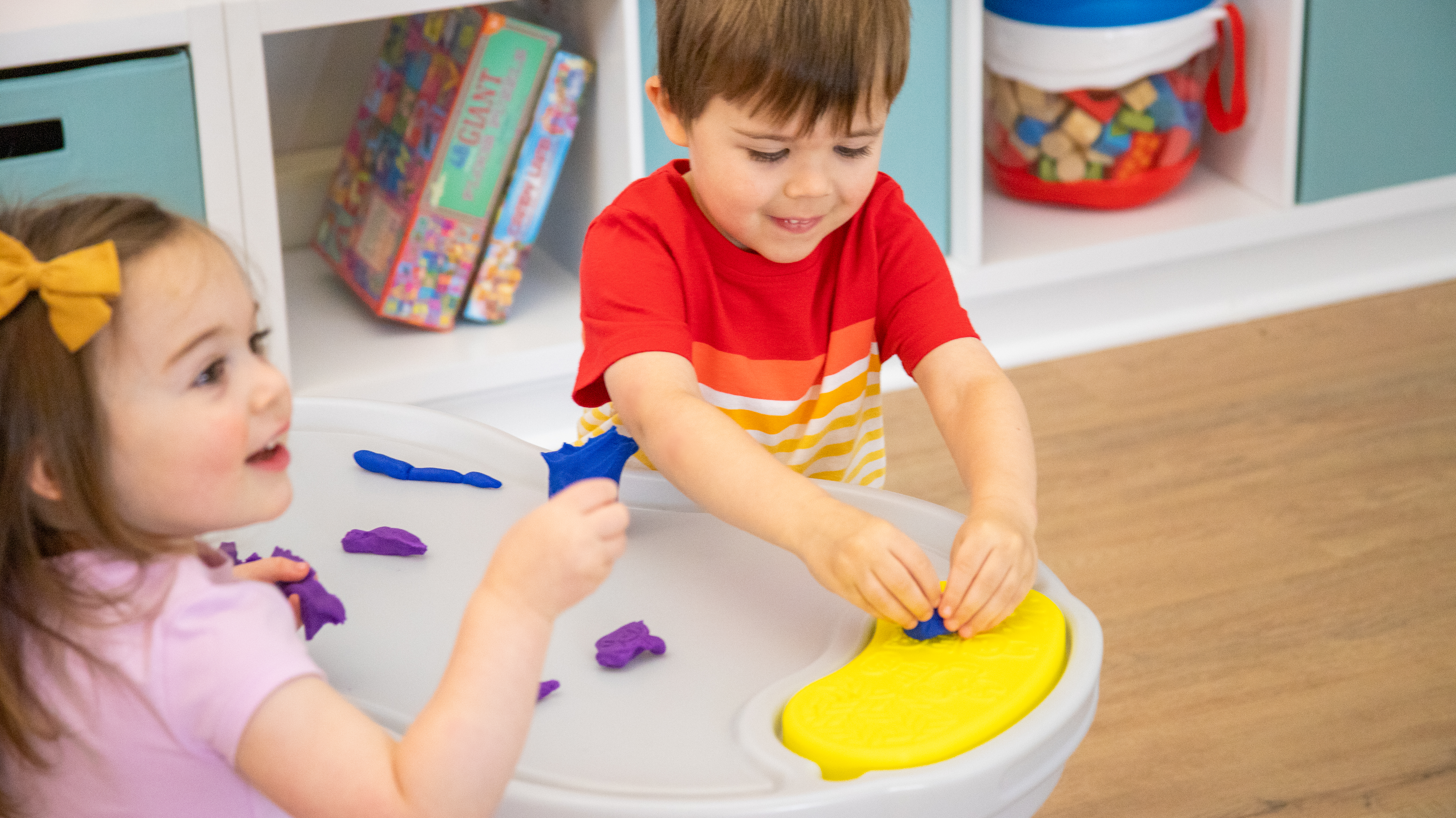
Sensory play never seems to lose its appeal, especially when older siblings aren't around to entertain. Homemade play dough, cloud dough, or simple sensory bins encourage creativity while supporting early learning through hands-on exploration.
Set up a dedicated play space using a sturdy table from our creative play collection, then add cookie cutters, rolling pins, toy animals, or alphabet stamps to keep little imaginations engaged and learning.
These simple activities help encourage:
- Fine motor development
- Creative thinking
- Pretend play
- Early STEAM learning through exploration
Building a Blanket Fort
Sometimes the best activities don't require much planning at all.
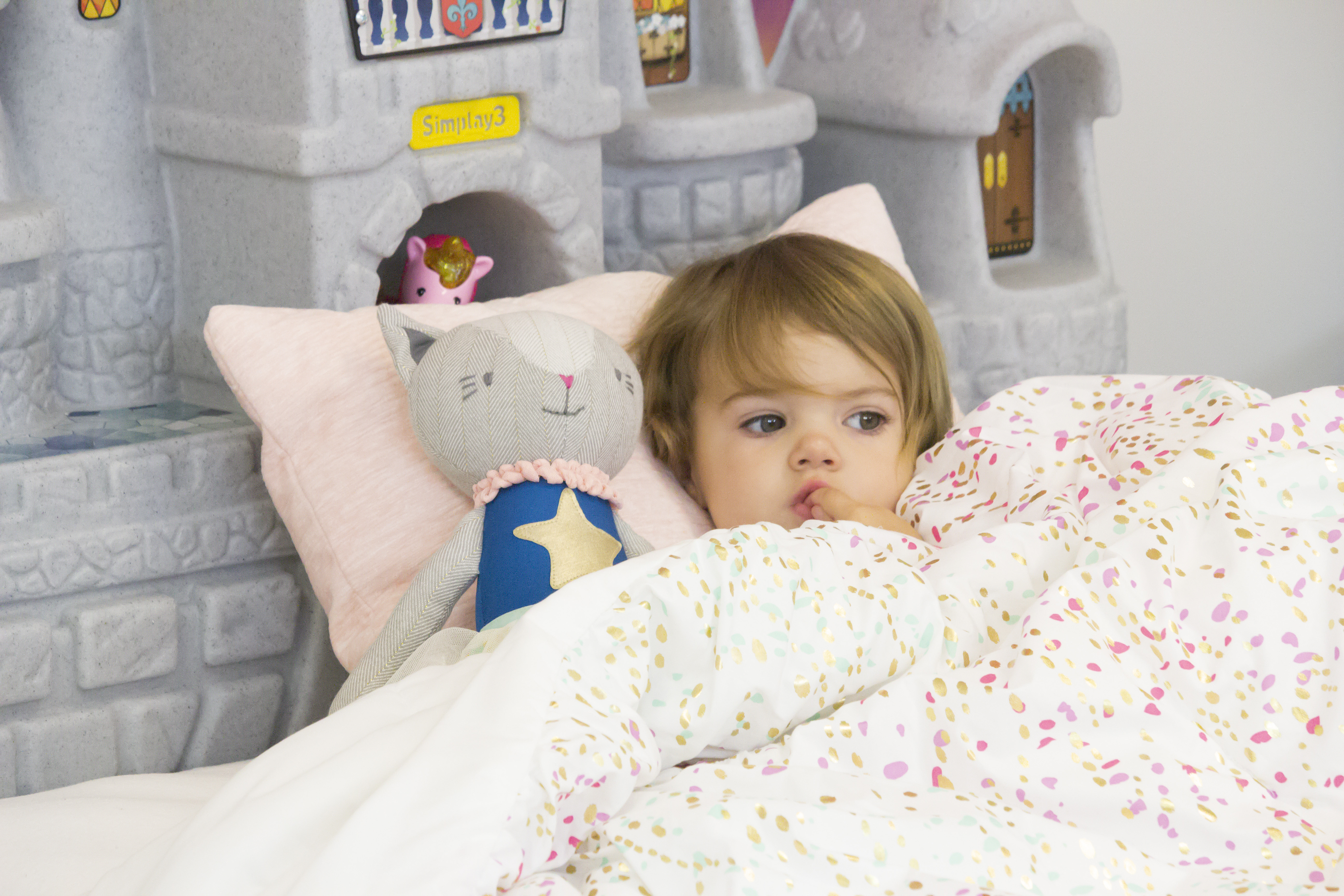
Grab a few blankets, pillows, and chairs to build a cozy hideaway together. Once your fort is finished, it becomes the perfect place for reading, stuffed animal picnics, puzzles, or simply relaxing after the busy morning school routine.
Pretend play encourages children to solve problems, build confidence, and develop their imagination, all while creating memories they'll remember long after the school year begins.
Read a Story
One of the easiest ways to create a calm daily routine is by setting aside time to read together.
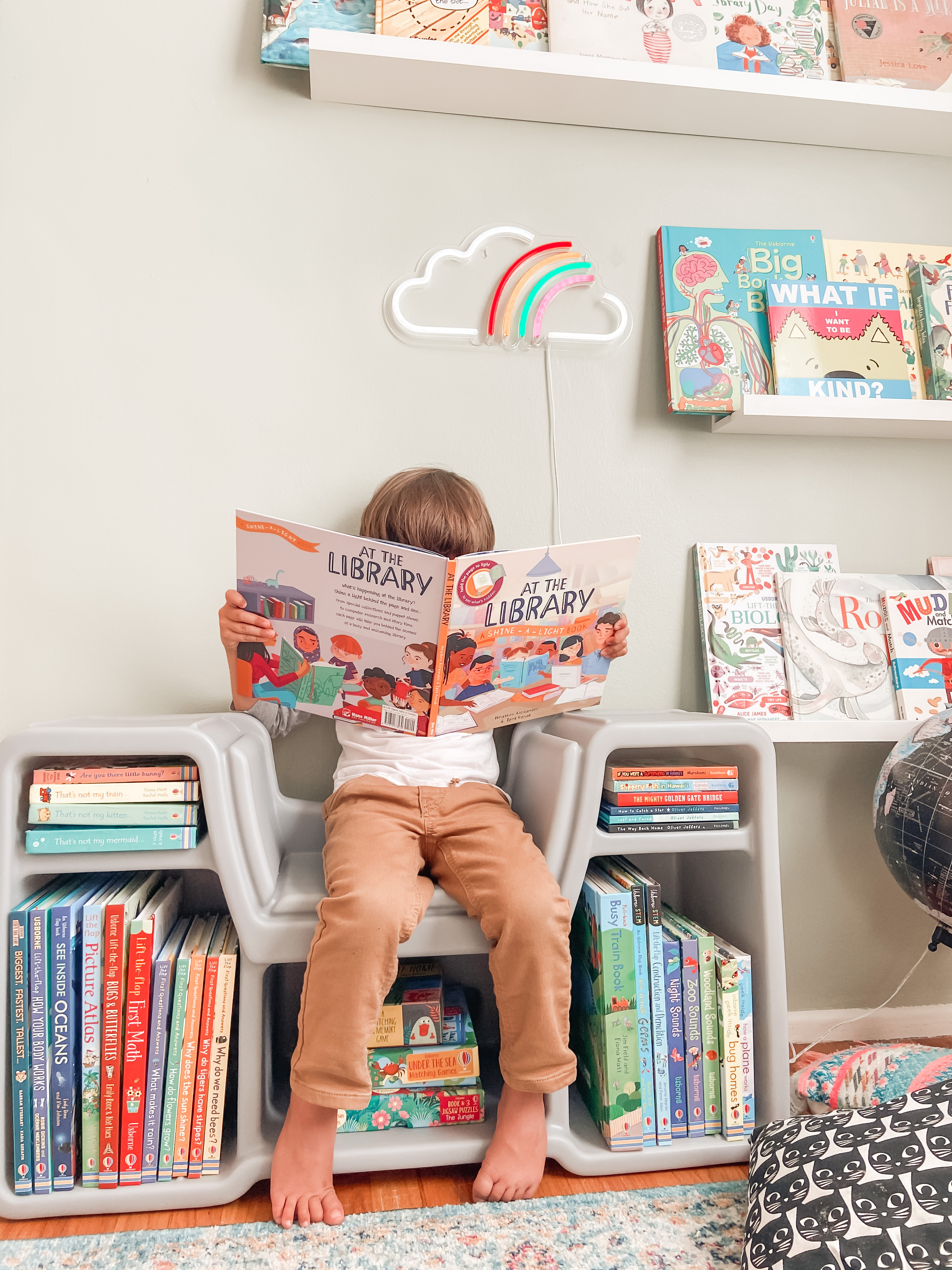
Visit your local library each week, rotate favorite books from home, or stop by a neighborhood sharing library to discover something new. You can even create a community book exchange with a Sharing Library of your own. Reading together supports language development, introduces new ideas, and provides a quiet transition after active play.
Creating a dedicated reading corner with comfortable seating and organized book storage helps make books part of your child's everyday routine instead of an occasional activity.
Make Artwork
Art projects are a wonderful way to keep little ones busy while giving them the freedom to express themselves.
Finger painting, washable markers, stickers, construction paper, or nature-inspired crafts all encourage creativity without requiring complicated supplies. A child-sized workspace from our Creative Play collection gives kids a dedicated place to create while making cleanup a little easier afterward.
Remember that the finished project isn't the goal. Exploring colors, textures, and ideas is where the learning happens.
Play Outside
Fresh air can make a big difference after a morning spent missing older siblings.
Whether you're exploring the backyard, taking a neighborhood walk, or inventing new adventures together, outdoor play encourages movement, imagination, and confidence.
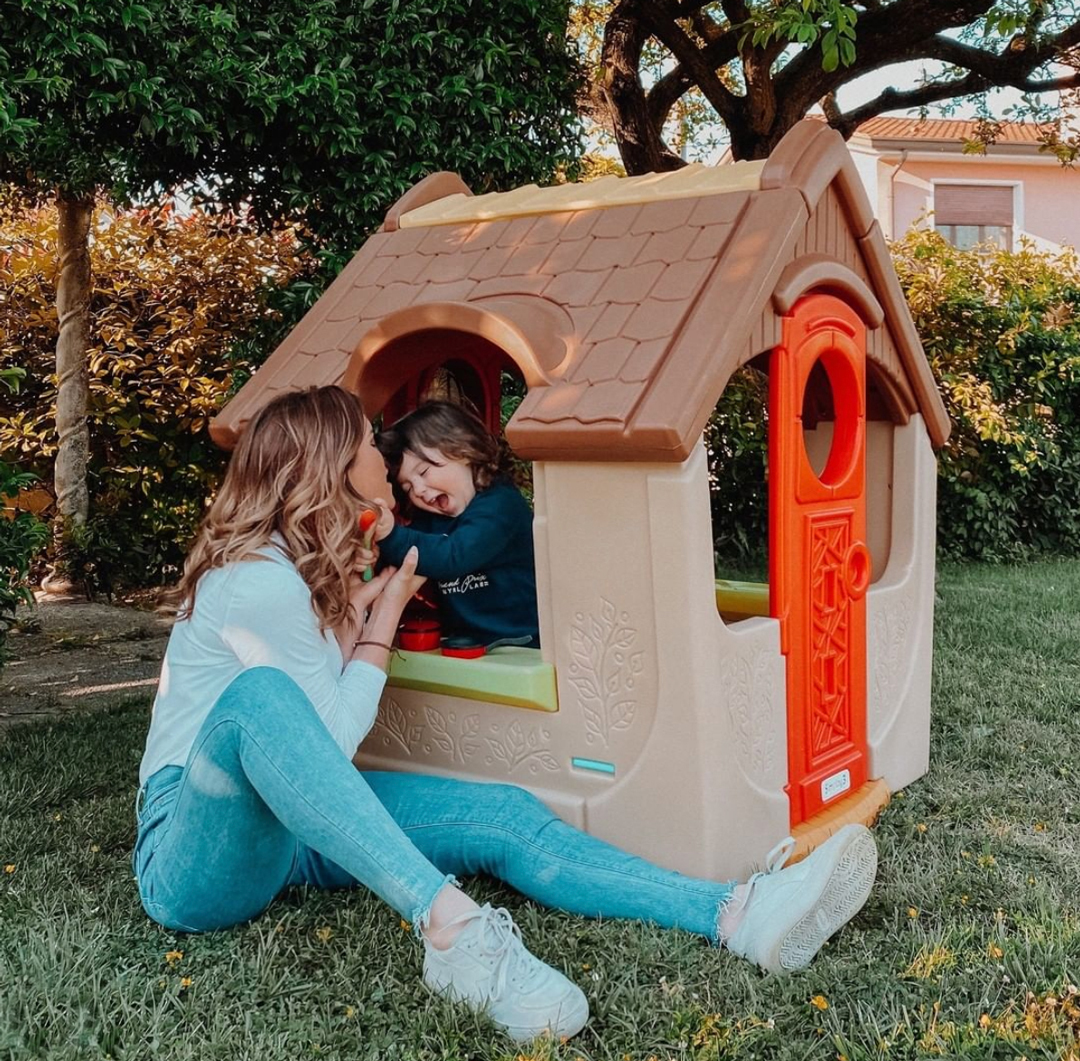
A backyard Active Play area with climbers, slides, or a playhouse creates endless opportunities for imaginative adventures, while Sand & Water Play tables encourage open-ended sensory exploration that can hold a toddler's attention surprisingly well.
When choosing outdoor toys, look for products built to handle years of active family use. American-made toys are required to meet rigorous third-party testing standards for quality and compliance. Durable materials that resist splintering, stand up to UV exposure, and clean easily can also help toys stay in rotation instead of ending up in the landfill after just a season or two.
Making the Back-to-School Transition Easier
Every family adjusts differently when school starts again, but a few simple routines can help younger siblings feel included instead of left behind.
Try rotating between active play, creative projects, outdoor adventures, and quiet reading throughout the week. The variety keeps each day interesting while giving toddlers something predictable to look forward to.
Most importantly, remember that this season won't last forever. Before long, your youngest will be joining their siblings on their own school adventures. Until then, these everyday moments together can become some of your family's favorite memories.