


Preschool Homeschool Schedule: Build a Flexible Daily Flow
Posted by Simplay3 on 29 Sep 2026
Planning a day at home with your preschooler can feel overwhelming. There’s a lot to fit in—learning, meals, play, chores, rest—and you want your little one to be happy and engaged. Here’s the great news: your preschool homeschool schedule doesn’t need to look like a school day. What matters most is giving your child a predictable rhythm that helps everyone feel secure.
Does My Preschooler Need a Strict Schedule?
You might wonder whether your child needs a minute-by-minute plan. The answer? Not at all. Preschoolers don’t think in terms of hours and clocks—they understand, “reading comes after snack,” or, “playtime is after breakfast.”
A familiar daily pattern can bring stability and calm, helping little ones know what to expect throughout the day. Consistent routines can also help preschoolers practice important skills like attention and self-regulation. If you stress about making every moment count, let that go—rigid schedules often backfire with preschoolers, who need plenty of space to move and explore.
Try thinking in “blocks”: a morning block, a movement block, a learning block, a rest block. These can flex around your needs and your child’s moods. That flexibility is a strength, not a weakness.
What Should I Include in a Preschool Day?
Your goal isn’t to run a classroom at home—it’s to create a routine that lets your child learn with their hands, their curiosity, and their imagination. A balanced day for most preschoolers might include:
- Morning routine (get dressed, brush teeth, breakfast, a weather or calendar chat)
- Active play (indoor or outdoor movement)
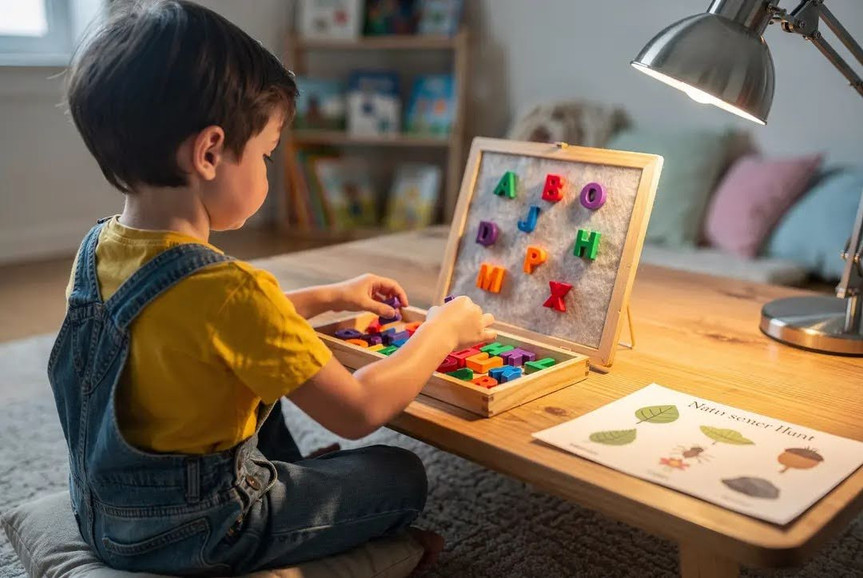
- Short learning activities (numbers, colors, reading, matching games)
- Creative or sensory play (art, building, sand, or water)
- Outdoor time
- Meals and practical life (helping set the table, cleaning up, feeding pets)
- Rest or quiet time
- Read-alouds
- Free play
Don’t try to squeeze it all in every day. The order and length of each block can shift, and that’s completely fine. What matters is that the day has a gentle shape you both can count on.
How Do I Start the Day Smoothly?
A consistent morning routine helps everyone transition into the day with less resistance. This might look like:
- Getting dressed and brushing teeth together
- Washing hands before breakfast
- A quick weather or calendar check (simple conversations work great!)
Little chores fit perfectly here—putting away pajamas, feeding the pet, or setting the table. These early responsibilities help build confidence and fine motor skills. If your child loves to help in the kitchen, bring them up to counter height using a sturdy toddler tower or step stool. (The Simplay3 Toddler Tower, for example, is built with durability in mind. Just be sure to follow the instructions!)
How Much Learning Is Enough?
Keep it relaxed—preschool “lessons” work best in 10-minute bursts. Letters, numbers, sorting, matching, and talking about colors all count. Keep it hands-on and part of play: building with blocks, measuring and pouring water, mixing paint colors, or observing bugs outside. Even simple pouring and sifting activities boost the hand strength and coordination your child will need later for writing (more on the Sand & Water Play options).
What About Active Play?
Active play isn’t just a bonus—it’s crucial. Preschoolers need at least 60–90 minutes of outdoor time a day, broken into small chunks (here’s why). If you don’t have a big backyard, that’s OK. Quality matters more than quantity.
- Set up a few toys or obstacles for climbing, sliding, and balancing. Even small spaces work!
- Movement breaks between inside activities burn off energy and help kids focus later.
- Let your child decide how to use the space—outdoor play is about freedom, not rules.
Our Active Play collection offers options for all-sized spaces and energy levels.
How Do I Support Creativity and Sensory Needs?
You don’t need Pinterest-worthy setups; simple is best. Give your preschooler:
- Basic art supplies (paper, markers, stickers, play dough)
- Pretend play props (old scarves, kitchen tools, stuffed animals)
- Water tables or sand bins for hands-on exploration
These open-ended materials keep play fresh and let your child steer their own stories. Sand and water activities are especially effective for early math and science skills. Our Creative Play and Sand & Water Play collections offer ideas made for everyday use and durability.
What Could a Preschool Day at Home Look Like?
Every family is different, but here’s an example of a gentle, flexible daily flow:
- Breakfast and morning routine
- Outdoor or active play
- Short learning activity (10–20 minutes)
- Snack
- Creative or sensory play
- Lunch and helping with clean-up
- Quiet or rest time
- Read-aloud time
- Free play or more time outside
- Family wind-down
This isn’t a rigid schedule—it’s a routine you can both trust, made to flex as life happens. If your child is tired, skip the learning block. If errands run long, adjust on the fly. The rhythm, not the clock, is your best friend here.
How Do I Choose Toys and Materials That Last?
Preschool play can be tough on toys and materials. You want items that are durable and easy to clean for lots of creative use.
Simplay3 builds all products in Northeast Ohio using rotational molding, resulting in thick, strong, one-piece construction. Their sandboxes use soft-feeling, splinter-free polyethylene, with UV protection—no quick-fading or cracking plastic. Everything is easy to clean and 100% recyclable, designed to last through years of daily play. That’s what they call Generational Quality—and it can make a real difference for families who use toys hard, every day.
How Can I Make This Schedule Work Long Term?
No parent gets this perfect on day one—every routine needs a little tweaking. Here are some tips for a happier preschool-at-home flow:
- Give any new routine about two weeks before making changes
- Adjust one thing at a time, and don’t be afraid to drop what isn’t working
- Prep a few supplies the night before for a smoother start
- Switch up activities so things stay fresh
- Keep learning times short and pressure-free
- Remember, free play teaches more than you think!
- Follow your child’s energy—some days they’ll want to focus after breakfast, others they’ll need to move first
What Helps With Gentle Transitions?
Getting from one activity to another can be the trickiest part of any day. To smooth things out:
- Use countdowns or songs before a transition (“Five more minutes, then we wash hands for lunch”)
- Make clean-up into a game
- Use the same words each time to build predictability
- Offer choices when possible (“Do you want to walk or hop to the table?”)
Gentle, consistent language helps your child know what to expect—and you’ll face fewer struggles along the way.
Is Everyday Life Real Learning?
Absolutely! The simple, practical jobs of daily life are some of the best ways to build confidence, motor skills, and language. As the American Montessori Society points out, things like sorting laundry, watering plants, or helping at the market are genuine learning moments—no lesson plans needed.
Kids love being part of real work. Handy tools like the Sibling Step Stool can make it easier for them to reach the sink, the kitchen counter, or benches—turning everyday routines into opportunities for independence and growth.
How Do I Know If Our Homeschool Schedule Is “Good Enough”?
The “perfect” routine doesn’t exist—and that’s okay. The best preschool schedule is the one that fits your family’s needs, today. If your days are flexible, playful, and focused on hands-on learning, connection, and rest, you’re on the right path.
You don’t need a Pinterest-worthy system or a pile of fancy supplies. Start with a clear, gentle daily flow and durable materials that can keep up. Our toys are designed to back you up with practical, American-made options for active, creative, and outdoor play—so you can spend more time on what really matters: learning and growing together, day after day.