


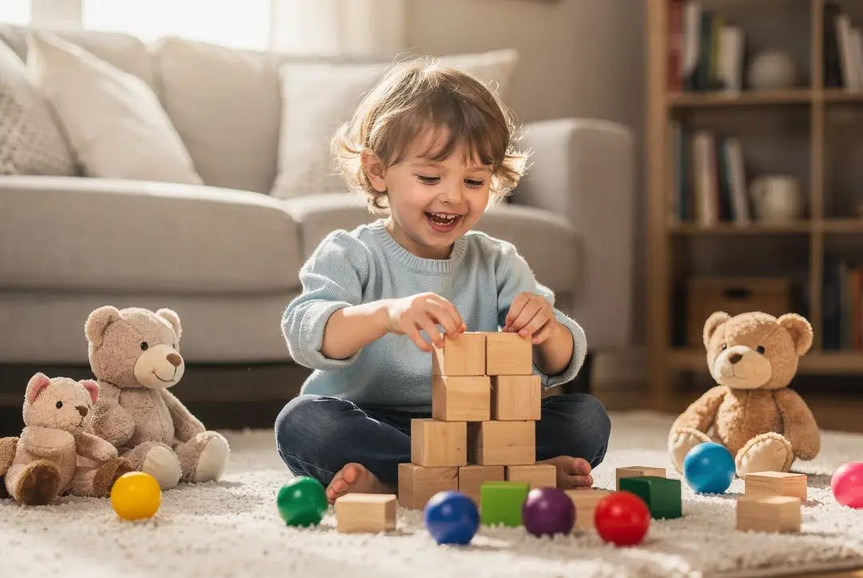
How Do Sensory Toys Help ADHD? Practical Parent Guide
Posted by The Simplay3 Company on 30 Jun 2026
Has your child been at the table for just a few minutes, but it already feels like you’re trying to wrangle an octopus? Maybe they’ve rearranged their pencils, tapped a drum solo on the chair, and slid halfway off their seat, all before you even finish your coffee. Sound familiar? For lots of parents, especially those raising children with ADHD, this scene is the norm — not the exception.
If sitting still seems nearly impossible for your child, please know you’re not alone. Many kids with ADHD genuinely need to move, touch, squeeze, pour, or climb to engage with their surroundings. Some parents call it “wiggly.” We like to think of it as a body exploring its world.
Sensory toys aren’t magic wands, and they’re definitely not a substitute for professional support if it’s needed. But for many families, these tools help channel energy, calm nerves, and make everyday routines a little easier. Curious how sensory toys might help your child with ADHD? This guide is here to gently walk you through what works (and how to figure out what might work for your unique child).
How Do Sensory Toys Help with ADHD?
Most parents want one simple answer: How can a toy actually help my child focus or feel calmer? The truth is, the right sensory toys give kids safe, structured ways to meet their own sensory needs—so that energy goes somewhere purposeful instead of, say, bouncing off the walls or melting down at the dinner table.
- For movement seekers, spinning, squeezing, pouring, and climbing all help the brain settle, not just the body.
- Kids with ADHD often crave extra input—touch, movement, sound, or visual stimulation. Sensory toys can offer that in a positive, helpful way.
But—here’s the real parent-to-parent secret—every child’s different. What’s a perfect focus tool for one kid may overwhelm another. Maybe your neighbor’s child needs ten minutes of outdoor climbing before homework, while yours is happiest on a wobble seat with something in their hands.
Observation matters more than any “top 10” list from the internet. You know your child best.
Understanding ADHD and Sensory Needs
Is My Child’s Sensory Seeking Related to ADHD?
ADHD isn’t just about high energy. It affects how kids pay attention, manage impulses, and process the world. Sensory processing differences are really common—up to 64% of kids with ADHD also experience sensory processing challenges. That could look like:
- Being extra sensitive to tags, textures, or noisy spaces
- Craving movement, fidgeting, or ‘messy’ activities
- Having a tough time tuning out background noise
When a child fidgets, taps, chews, or asks for “messy” play, they aren’t being “bad.” Their brains are working hard to get organized and ready to learn or connect. These are self-regulation strategies—even if they look unusual or disruptive to adults.
Why Do Some Kids With ADHD Need Constant Movement?
Ever notice how some kids can’t seem to stop moving? The reason lies in their vestibular (balance) and proprioceptive (body awareness) systems. When these systems crave input, your child may:
- Climb, jump, spin, or crash nearly everywhere
- Seek out playgrounds, climbing frames, or active play toys
For many, a wobble seat, slide, or rocking toy becomes a helpful tool, not a distraction. Think of it as “filling a sensory tank”—before asking them to focus on quiet work.
What If My Child Needs Calming, Not More Activity?
Sensory needs aren’t always about high energy. Sometimes, kids benefit from slow, rhythmic, tactile input—scooping sand, pouring water, kneading dough, or sorting small objects. These soothing, repetitive actions can help your child calm down or concentrate, especially during transitions or before bedtime routines.
What Kinds of Sensory Toys Might Support My Child With ADHD?
Choosing the right sensory toy starts with observing what your child likes and needs. Here’s a parent-friendly breakdown (not a rigid checklist):
For Busy Hands: Fidget and Tactile Toys
- Squeeze toys, textured objects, therapy putty, pop-style fidgets, and similar gadgets give restless hands something to do.
- Fidgets often help regulate and improve focus, but try to pick quiet, non-distracting options, especially for school or homework.
- Always double-check age guidelines and avoid small parts for younger kids.
Sand and Water Play for Calm and Focus
- Scooping, pouring, digging, and sorting in sand or water engages the senses and offers kinetic, soothing play.
- Kids who have a hard time sitting for a minute may be able to play with sand or water for several minutes longer because the activity is naturally captivating.
- Even brief water play can help an overwhelmed child reset, especially during tough transitions.
Ready for outdoor play? Try Simplay3’s sand and water play collection, built for real, messy fun — and designed to handle repeated daily use.
Active Play Toys for Movement Seekers
- Climbers, slides, wobble disks, trikes, and similar toys let kids channel energy and get whole-body movement.
- Physical activity is directly linked to better focus for children, especially those with ADHD.
Simplay3’s active play collection includes compact climbers, wobble disks, and rocking toys, all designed to keep movement both fun and safe for repeated play.
Creative & Pretend Play for Imagination and Tactile Input
- Art desks, pretend kitchens, and sensory tables blend tactile play with creativity and fine motor practice.
- Pretend play supports emotion regulation, creativity, and executive skills. Try the Creative Kids Sensory Play Table for a multi-sensory, imaginative setup.
- See Simplay3’s creative play range for more hands-on ideas.
What Are the Real-Life Benefits of Sensory Toys for Kids With ADHD?
Q: Can sensory toys actually help my child focus their energy?
Imagine channeling your child’s urge to move—climbing, jumping, or balancing—before homework instead of fighting it. Short movement breaks and sensory toys can make a dramatic difference, often helping children feel calmer and ready to learn.
Q: What about the struggle with transitions?
Leaving the park for dinner or starting homework can trigger emotional upsets. Try these ideas:
- Build a simple sensory bridge: a few minutes of water play after school, or a wobble disk session before a new task.
- Predictable, repeating routines (even short ones!) send the signal: "it’s safe to shift to the next activity".
Q: Will my child play independently, or just need me more?
Sensory toys open the door for open-ended, unstructured play. This kind of play helps children with ADHD build flexibility, problem-solving, and self-regulation — all in a screen-free, pressure-free way. Simplay3’s focus on active play supports kids doing just that, at their own pace.
Q: What about fine and gross motor skills?
Sensory play isn’t just “extra.” It helps build the coordination your child needs for everything from writing, pouring their own drink, to confidently running and jumping at recess—all through fun, hands-on learning.
How Do I Choose the Right Sensory Toys for My Child?
Shopping for sensory toys can feel overwhelming with so many choices. A quick, supportive checklist for parents:
- Watch and learn: Does your child calm down with water play? Seek out climbing? Prefer soft or bumpy textures? Need busy hands when listening? Their preferences point the way.
- Match the toy to the sensory need: Movement seekers often love active play; tactile kids crave sand, water, or art materials; fidgeters may need small hand tools for focus; imaginative types blossom with pretend play spaces.
- Prioritize durability: Sensory-seeking kids play hard. Look for sturdy, weather-resistant, and easy-to-clean materials—like Simplay3’s durable, double-walled, recyclable plastic toys that hold up year after year.
- Think safety first: Check for rounded edges, stable bases, and age-appropriate designs. Always follow safety recommendations and supervision guidelines for your child’s age and abilities.
- Choose open-ended toys: Multi-use toys (a water table, a sand bin) stay relevant as your child’s interests shift and grow, and offer endless ways to play.
How Can I Use Sensory Toys at Home Without Overwhelming My Child?
It’s tempting to think “more is better,” but sometimes too much sensory input can backfire. Try these kind, proven tips:
- Introduce one new tool at a time and watch for positive (or negative) reactions.
- If your child loves spinning, remember:
Occupational therapists often recommend keeping spinning sessions to 15 minutes or less, with a break in between. Read more about safe routines here. - Use tools predictably, like water play after school or fidget time during car rides. Consistent routines help children self-regulate and anticipate transitions.
- Think of sensory toys as tools, not rewards or punishments. Everyone deserves access to what helps them thrive — it builds long-term self-awareness and confidence.
- Rotate toys every few weeks or days to keep things fresh for the ADHD brain, which often craves novelty without a constant stream of new purchases.
What Makes Simplay3 Sensory-Friendly Play Different?
Simplay3 is a veteran-owned, American company rooted in family values and real-life parenting. Founded by Tom Murdough (the same creative mind behind Little Tikes and Step2), our mission is to offer safe, sturdy toys that encourage movement, creativity, and play built for everyday messes and busy kids.
Why Outdoor Sensory Play Matters
Getting kids outside to dig, pour, and splash isn’t just a great way to keep the mess out of the house (though we all know that’s a huge bonus!). Sensory play lets our little ones safely explore how the world works while naturally building fine motor skills and burning off boundless energy.
When you're setting up a space for all this hands-on fun, you want toys that can keep up with their enthusiasm. Here is what makes the right sensory play setup a win-win for both of you:
- Open-ended exploration: Sand tables, water tables, climbers, and ride-ons are specifically designed to encourage endless imagination and the repeated movements growing brains crave.
- Worry-free durability: You can breathe easy while they play hard. Thick, seamless construction means there are no sharp edges or unsafe gaps to worry about, even after years of energetic use.
- All-weather flexibility: When the seasons change, toys that work just as beautifully indoors as they do out will stretch your playtime options year-round.
Favorites like the In & Out Activity Table and Big River and Roads Water Play Table offer these sensory-rich experiences, giving your kids a safe, inviting place to splash and scoop day after day.
Creative Play Spaces for Hands-On Learning
- Art desks, sensory tables, and pretend kitchens set the stage for open-ended creativity, language building, and STEAM skills.
- Try the Wiggle Chair for kids who need to move while seated — a gentle way to keep their bodies active without disrupting work or play.
Should I Ask for Extra Guidance?
Trust your instincts. Sensory toys are a wonderful way to support your child, but they’re not a medical treatment or a substitute if your child is struggling with sleep, school, or relationships. If you feel stuck, talk to your pediatrician, an occupational therapist, or an ADHD specialist for individualized advice and support. Many OTs can recommend toys and routines that fit your child’s specific needs — making your hard work at home that much easier.
How Do I Help My Child Discover Sensory Play That Truly Helps?
At the end of the day, helping your child with ADHD feel calmer and more focused is about meeting them where they are. Movement, touch, and hands-on exploration aren’t distractions—they’re part of your child’s unique learning process. By offering age-appropriate, durable, and engaging sensory toys—and taking the time to notice what really works—you’re helping your child find their calm and their confidence.
Ready to explore? Check out Simplay3’s active play, creative play, and sand and water play collections. Every child is different, and you’re the best guide they’ll ever have. We’re here to help, every step of the way.