


Why Are Sensory Toys Important? Key Benefits Explained
Posted by Simplay3 on 10 Mar 2026
Have you ever watched a toddler run their hands through a bin of dried beans, giggling as the beans slip between their fingers? Or maybe you’ve noticed your preschooler calm down after squeezing a textured ball for a few minutes? These moments aren’t random - they’re wonderful examples of how sensory toys shape the way kids learn, process emotions, and feel comfortable in the world. So, why are sensory toys important? Let’s explore how these playful tools can support your child’s growth and bring a little more calm and joy to your day-to-day routine.
What Are Sensory Toys?
Simply put, sensory toys are items designed to gently engage one or more of a child’s senses - touch, sight, sound, movement, and sometimes even taste or smell. Think textured balls, kinetic sand, water tables, or wobble disks. These toys let your child explore new sensations in a comfortable, supportive way and at their own pace.
If you want a closer look at the ins and outs of what sensory toys are (and what types might be right for your family), take a peek at our guide on what sensory toys are.
The beauty of sensory toys is their flexibility. You can use them:
- At home for quiet time or after a busy day
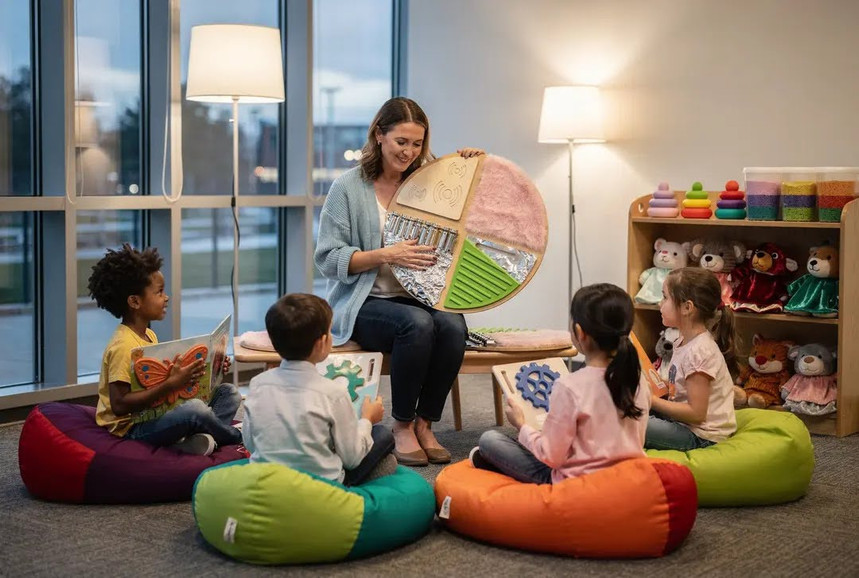
- In classrooms to help kids focus or take a break
- During therapy sessions to practice specific skills
Sensory toys blend right into your daily rhythm - no complicated setup or expensive equipment needed.
Why Are Sensory Toys Important?
If you’re wondering if sensory toys are just for play, the answer is: they’re so much more.
- Building Motor Skills: When your child scoops sand, pours water, or spins on a wobble disk, they’re building up those little hand muscles (fine motor control) and learning how to move their bodies confidently (gross motor coordination). These skills later help with things like writing, self-care, and running around with friends.
- Boosting Cognitive Growth: Sensory play encourages kids to experiment — What happens if I pour water from up high? How does dry sand feel compared to wet? These kinds of hands-on discoveries build problem-solving skills and lay an early foundation for STEM and STEAM learning, introducing concepts like cause-and-effect, measurement, and observation through play.
- Supporting Emotional Regulation: Research shows that simple, repetitive sensory activities can help kids calm down and process big feelings. Picture your child squeezing play dough or running their fingers through sand after a long day - sometimes, that’s all it takes for a mood reset.
- Growing Language and Social Confidence: As your child describes what they’re feeling - “This is bumpy!” or “The water’s cold!” - they add to their vocabulary and practice sharing ideas, whether with you, a sibling, or a new friend.
Why Do Some Kids Need Sensory Toys More Than Others?
All kids benefit from sensory play, but some really depend on it to feel balanced and comfortable. If your child seems extra sensitive to noise, picky about textures, or hungry for movement - and maybe you’re worried about how to help - sensory toys can be a gentle solution.
- For kids with sensory processing differences: Some children have a harder time handling loud sounds, bright lights, or unfamiliar textures. Sensory toys help these kids feel more at ease by letting them experience new sensations in safe, manageable ways.
- For children who need extra movement or comfort: A wobble disk or fidget tool can give them the input they crave. Some children are sensory seekers, meaning they actively look for movement or tactile input that helps them focus, regulate, and participate more comfortably with others.
You’re not alone - about 5–16% of kids have sensory processing challenges, and meeting their sensory needs in positive ways can help them participate, learn, and feel included.
Sensory toys are especially helpful for children who have autism or ADHD. They let you tailor support to your child’s individual needs - so every child can find comfort and joy in their own way.
What Are the Key Benefits of Sensory Toys & Play?
Sensory play can feel like magic for kids - but if you’re wondering exactly how these toys help, here’s a quick overview:
- Motor Development: Scooping, pouring, stacking, and balancing all build strength and coordination. Sand and water play strengthens the muscles kids need for writing, tying shoes, and getting dressed. Movement toys - like wobble disks - support balance and core strength.
- Cognitive Skills: Sensory toys introduce real-life lessons about weight, texture, and cause-and-effect. A 2024 study shows that kids who learn using multiple senses stay more engaged and remember more - by as much as 34 percent!
- Emotional Regulation: Simple, repetitive activities (squeezing dough, rocking gently) help kids manage strong emotions or settle down after overstimulating moments.
- Language and Communication: Describing what they see or feel helps kids expand their vocabulary and learn how to express themselves.
- Social Skills: When children share a water table or sensory bin, they learn to take turns, solve disagreements, and work together - skills that set them up for life.
- Focus and Attention: For many kids, sensory toys are the “just right” activity that helps them concentrate - maybe while listening to a story or joining group time at school.
How Do Sensory Toys Help in Childcare & Classrooms?
If your child goes to daycare or preschool, you’ve probably already seen sensory toys at work. Teachers love them because they support different learning styles - and make group activities more inclusive and engaging.
- Sensory stations offer a break from structured activities, but still deliver plenty of learning. A sensory table with rice and scoops lets kids enjoy early math skills by measuring and comparing. Water tables bring science concepts like buoyancy and flow to life.
- For kids who struggle to focus, sensory tools can make all the difference. Quiet fidgets or textured mats under the desk can turn frustration into participation.
- Sensory play supports inclusive play environments in classrooms. By offering a mix of tactile, visual, and movement activities, teachers give every child an entry point — so nobody feels left out and every learner can participate in a way that works for them.
- Social learning happens naturally. Sharing materials, working together, and observing peers help build communication and empathy - without putting kids on the spot.
What About Sensory Play for Children with Autism?
If you have a child on the autism spectrum, sensory differences may be a big part of your experience. In fact, up to 90% of autistic children process sensory input differently.
- Predictability = Comfort: Sensory toys - like a favorite weighted lap pad or a tactile repetitive activity - provide familiar routines and control, key ingredients for helping your child feel calm and secure.
- Meeting Unique Needs: Some children seek out certain sensations, while others avoid them. Offering options - from wobble disks to textured materials - lets your child choose what feels right for them.
- Sand and water play are consistent favorites for many autistic children because they give soothing, gentle feedback kids can control.
- Encouraging self-regulation: When kids have access to what they need, they can better manage emotions, cope with stress, and - bonus! - grow their independence.
And there’s more: Research shows that the right sensory activities can decrease challenging behaviors and increase social play and interaction. The trick is to meet your child where they are and offer support that truly fits.
How Can I Choose the Best Sensory Toys?
With so many options out there, picking the right sensory toys can feel a little overwhelming. Here are a few parent-tested tips:
- Prioritize durability and thoughtful design: Look for toys made from sturdy, non-toxic materials that can handle years of hands-on play — toys with undeniable quality that hold up to weather, repeated use, and energetic kids instead of ending up in the landfill after just a few uses.
- Think about senses and flexibility: Does the toy engage touch, movement, or other senses? Can your child use it in a few different ways?
- Choose open-ended toys: Simple items like sand, water, and blocks encourage creativity and keep your child interested longer than single-purpose toys.
- Pick the right size and challenge: Babies need soft, basic textures. Toddlers love things to manipulate. Older kids might want something more complex for their growing skills.
When possible, consider American-made toys. U.S.-produced toys must meet rigorous safety and quality standards, including third-party testing, giving parents additional confidence in how products are designed and manufactured.
At Simplay3, every sensory toy we design - whether it’s a sand table or a movement-focused play structure - is built with durability and creative play in mind, so you can feel confident about your choice.
Your Sensory Play Questions, Answered
So, why are sensory toys important? Because they’re practical tools for supporting your child’s growth - not just playthings. Sensory toys nurture motor development, foster emotional resilience, encourage social skills, and make every day a little more joyful.
Whether your child has typical development, sensory differences, or unique learning or regulation challenges, sensory play can give them a safe, simple way to explore new things, handle big feelings, and master new skills. And best of all - you don’t need fancy gear. Even a tub of rice or some textured household objects can offer rich learning and comfort.
If you’re a parent setting up a sensory nook at home, a teacher planning the next classroom activity, or a caregiver supporting lots of little personalities, remember: you’ve got options, and there’s no one “right way.” Choose what fits your family best and trust your instincts.
Ready to explore? Take a look at our kids' toys collection or discover more about sensory play through our Education Direct program. We’re here to support you - and your child - every step of the way.