


What Is Creative Play? Simple Guide for Parents Today
Posted by Simplay3 on 17 Feb 2026
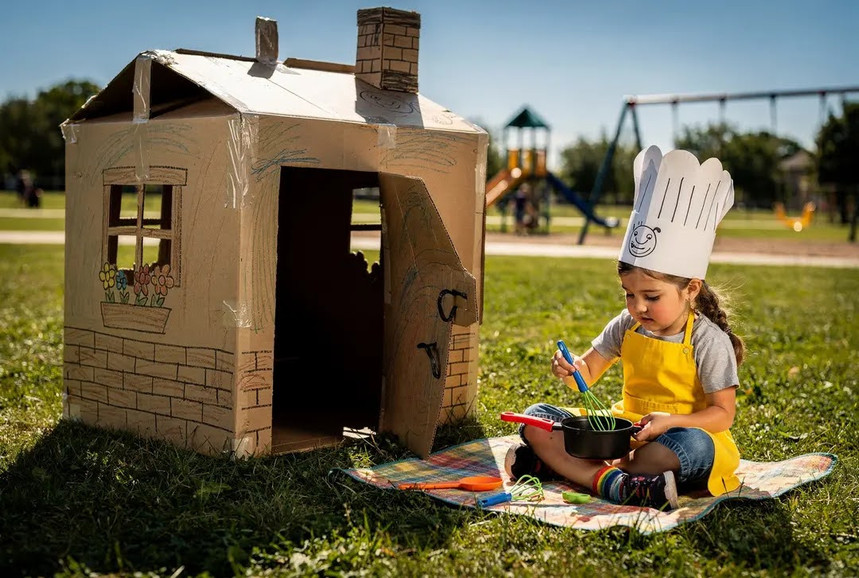
Have you ever watched your child turn a cardboard box into a spaceship or transform a stick into a magic wand? That’s creative play in action—and it’s so much more than just fun. It’s how kids learn, solve problems, and express themselves in a way that feels natural for them.
With screens constantly competing for attention, many of us wonder how to keep our kids’ imaginations alive. What is creative play, and how can we encourage it at home? This guide walks you through what creative play means, why it matters, and simple, practical ways to nurture it in your own space. You’ll find answers to common questions, friendly tips, and reassurance that you’re already doing more than you think.
What Is Creative Play? (And Why Does It Come So Naturally?)
If your child has ever invented a new game, mixed colors just to see what happens, or turned a favorite song into a wild dance party—you’ve seen creative play in its purest form. But what exactly is it?
- It’s child-led. Your child decides what happens next, following their own interests and ideas. There’s no script or right answer.
- It’s open-ended. Simple objects can turn into anything—a blanket becomes a fort, a wooden spoon transforms into a magic wand.
- It’s all about transformation. Kids reimagine everyday things, both physically (like painting a box) and with their imagination (pretending a toy car is a racecar).
Creative play starts with your child’s imagination. There are no complicated rules—just opportunities for coloring, make-believe, music, and everything in between. And the best part? There’s no wrong way to play creatively. That freedom gives kids confidence to explore and make discoveries at their own pace.
Why Does Creative Play Matter for Your Child’s Growth?
As parents, we all want to set our kids up for success. Creative play isn’t just about keeping little ones busy—it’s about building lifelong skills in the most natural, joyful way.
- Cognitive development: By tinkering, testing, and building, kids are problem-solving—even if it just looks like “play.” They’re strengthening critical thinking and learning to tackle challenges with confidence.
- Emotional growth: Imaginary play lets children work through feelings in a safe, gentle way. Whether it’s acting out a scenario with dolls or doodling their dreams, creative play boosts self-esteem and emotional awareness.
- Social skills: When children imagine together, they learn to cooperate, share, and listen. This builds real-world empathy and respect for others’ ideas.
- Physical development: Many creative activities—drawing, molding, dancing, building—help strengthen fine and gross motor skills. Even something as simple as playing with sand or water is building strong little hands.
Creativity in play encourages originality, flexibility, and the willingness to experiment. These traits blossom over time, right alongside your child’s unique personality.
What Are Some Real-Life Examples of Creative Play?
Wondering what creative play could look like in your home? Here are some of the most common (and fun!) ways kids bring their imagination to life:
- Dramatic play: Whether they’re a superhero, chef, or teacher, kids love to create stories and roles. Props, costumes, and their own ideas are all they need to dive in.
- Artful creations: Drawing, painting, and crafting let kids express themselves even when words are hard to find. Keeping art supplies organized helps make it easy for them to get started anytime.
- Building and construction: Building blocks, boxes, and other materials encourage creativity, problem-solving, and plenty of experimentation.
- Music and movement: Free dancing and making up songs spark both creative thinking and pure happiness—no need for formal lessons.
- Sensory and water activities: Water tables, sand bins, and sensory trays offer endless ways to scoop, pour, and explore new textures and ideas.
What Are the Foundations of Creativity? (For Curious Parents!)
It’s natural to wonder what’s happening “behind the scenes” when your child is lost in play. Multiple frameworks help explain creativity—but you don’t have to be an expert to recognize their power:
- The 4 P’s: Person (your child’s unique traits), Process (their creative thinking stages), Product (the final creation), and Press (what’s happening in their environment).
- The 5 A’s: Attention, Appreciation, Application, Attitude, and Action—highlights how kids stay engaged and build creative habits.
- The 4 D’s: Discover, Define, Develop, and Deliver—helps children tackle challenges step by step.
- The three pillars: Imagination, originality, and productivity—the heart of creative thinking.
- The 4 C’s: Creativity, Critical Thinking, Communication, and Collaboration—skills that matter at any age.
All these ideas have one thing in common: creativity is shaped by a combination of your child’s personality, their process, and the support you give as a parent.
How Can I Support Creative Play at Home?
You don’t need fancy toys or a special room to foster creativity—small changes go a long way. Here are some friendly parent-to-parent suggestions you can try:
- Choose open-ended toys: Blocks, fabric, magnetic tiles, and figurines can become anything in your child’s imagination. Simplay3’s Creative Play collection has great options for open-ended fun.
- Set up a creative nook: A small table or cozy corner is all it takes—no need for perfection. Multipurpose activity tables work indoors or out, and make playtime flexible.
- Mix new and familiar materials: Keep paper, crayons, clay, and basic craft supplies on hand, but don’t forget nature’s treasures like leaves and stones. Sensory tables are a wonderful hands-on addition.
- Let your child lead: It’s tempting to direct or suggest—but following your child’s ideas empowers them. The process is more meaningful than the final product.
- Balance screen time: Less screen time, more green time is a motto we love. Imaginative play gives kids space to move, think, and grow.
- Be present—but hands-off. Join your child in play when invited, but celebrate their independence. Sometimes, the best ideas bloom when you step back and watch.
How Can I Keep My Child’s Imagination Growing Over Time?
Creative play isn’t a one-and-done activity—it’s a habit that grows with love and encouragement. Here are a few ways to nurture it at any age:
- Encourage curiosity: Discover new places together, explore the outdoors, or visit museums for a change of scenery. Every adventure sparks new ideas.
- Praise the process: Focus on your child’s effort and excitement rather than the finished product. Every scribble or story is a celebration of their creativity.
- Spot creativity everywhere: Not every child loves arts and crafts. Creativity can shine in organizing, storytelling, or inventive problem-solving. Simple, open-ended play lays the foundation for balanced, joyful days.
At Simplay3, we know real life is beautifully messy. We design toys that support back-to-basics play—water tables, sandboxes, art desks, and more—because every child deserves space to imagine, inside and outside, today and tomorrow.
So next time you see your child lost in play, know you’re helping them grow into someone who trusts their own ideas. Those everyday moments of building, pretending, and exploring will shape confident, capable kids for years to come.