


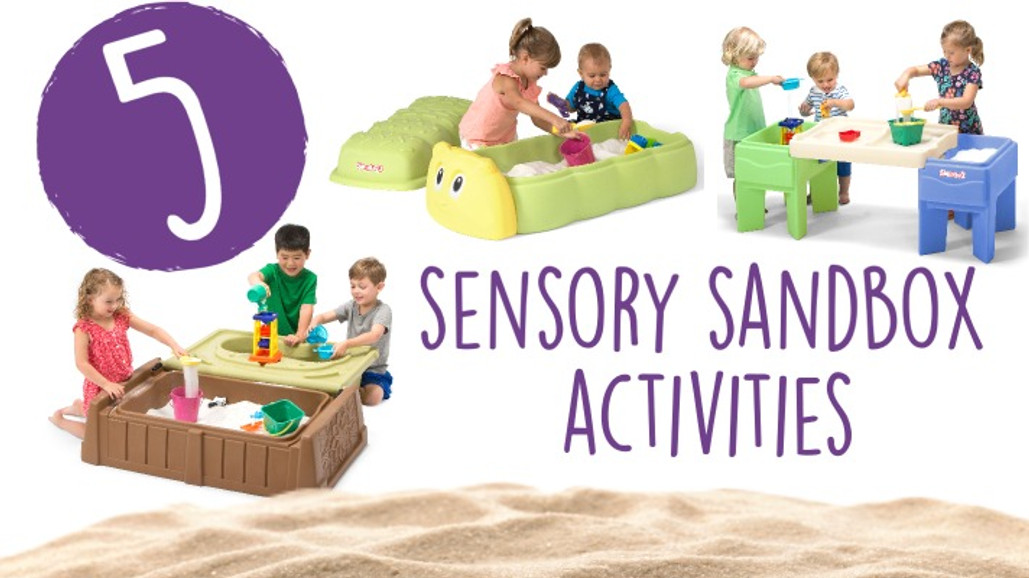
Sensory Learning With Sand: Simple Benefits and 5 Play Ideas
Posted by Simplay3 on 22 May 2022
Sand has been a go-to play material for so many families—maybe you remember it from your own childhood. Sand is simple, easy to find, and has a special magic that invites children to dig in and make discoveries every time. Pathways.org says children who play in “the sand by themselves and with others helps them to develop fine motor skills” along with other developmental skills. There are many ways to encourage critical thinking with the activities you choose. Add in a few intentional activities, and you have a recipe for growth: think sensory learning, fine motor practice, and problem-solving, all rolled into one memorable experience.
If you’ve ever wondered why sand play is such a big deal, or you’re looking for ways to make playtime more meaningful and practical at home, you’re in the right place! This post is packed with parent-to-parent advice, friendly answers to common questions, five easy activities, and simple tips for keeping your sandbox clean and inviting for every age.
Why Does Sand and Tactile Play Matter in Child Development?
Sand play is more than just fun—it’s a hands-on way for kids to explore and grow. With their fingers in the sand, pouring it through funnels, or drawing shapes and tracks, children are building lifelong skills, all while just having a good time.
- Fine motor development: Scooping, pouring, and molding sand are powerful ways to strengthen small hand muscles. Those little movements prepare children for everyday tasks, like buttoning clothes, writing, and tying shoes. It’s amazing how much practice happens in the sandbox!
- Creativity and problem-solving: Whether they’re building castles or creating imaginary worlds, little ones naturally test out ideas and learn perseverance. There’s no right or wrong, just lots of chances to experiment.
- Language and social growth: Playing together means chatting, sharing tools, and telling stories about their creations—naturally building vocabulary and cooperation skills.
- Sensory awareness: Feeling gritty, wet, dry, or smooth sand fine-tunes kids’ sense of touch and supports emotional regulation, too.
It’s all about letting your child explore their world at their own pace—and yes, it’s as beneficial as it is fun.
Common Questions Parents Have About Sand and Sensory Play
Will My Autistic Child Like Sand Play?
Many children with autism are naturally drawn to the feel of sand, and it can be a wonderful way to support sensory regulation. That said, everyone has different preferences. Some kids love the tactile input, while others might prefer gentler textures—both are completely okay.
- Tip: Try kinetic or play sand for a different feel, or offer tools and gloves for those who might be hesitant.
- Sensory sand play isn’t only for sensory differences—it’s valuable for every child, at every stage.
Why Do Kids Find Sand Play So Calming?
You might notice your child getting lost in the rhythm of pouring and sifting—there’s good reason! The repetitive motions and soothing textures can help children unwind and focus, especially after a big day or during those “rainy day” moments. It’s a natural, gentle stress-relief outlet.
Is Sand Play Really Good for Sensory Development?
Absolutely, and it doesn’t have to be complicated. By exploring different temperatures, shapes, and textures in the sand, kids deepen their sense of touch and balance. Bonus: all that scooping and lifting helps both fine and gross motor skills grow stronger, too.
How Can I Set Up a Sandbox That Grows With My Child?
Wondering when to introduce sand play? Most little ones love to dig right in! Just follow safety guidelines and keep a close eye, especially with toddlers.
- Choose clean, child-safe play sand—it’s safer and softer than construction or beach sand.
- Go deep: Fill your sand box enough for serious digging (and fewer scraped knuckles).
- Keep it tidy: A cover or lid stops rain, critters, and yard debris from sneaking in.
- Stay organized: Stash buckets and molds in a dedicated bin—you’ll thank yourself at cleanup time!
- No backyard? Try a sensory bin or sand tray indoors—they’re just as engaging and easier to control.
5 Simple Sensory Sandbox Learning Activities for Any Age
Looking for inspiration? These activities are easy to pull together with materials you probably already have on hand. They’re perfect for sparking creativity, practicing motor skills, and having fun together.
1. Block Hunt:
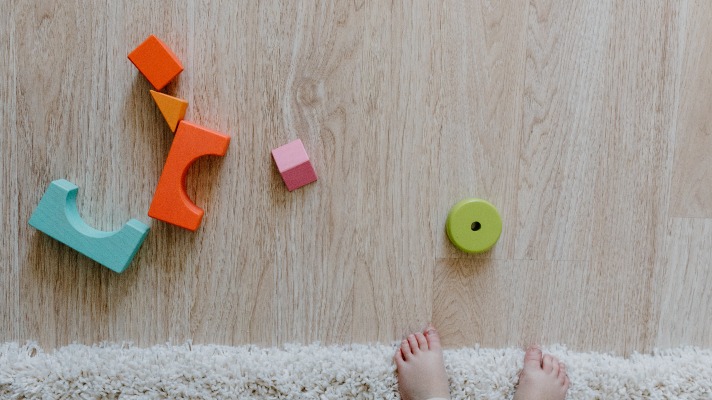
Hide blocks or shapes in the sand. Ask your child to find and name colors or shapes—great for thinking and fine motor practice!
2. Counting Bears:
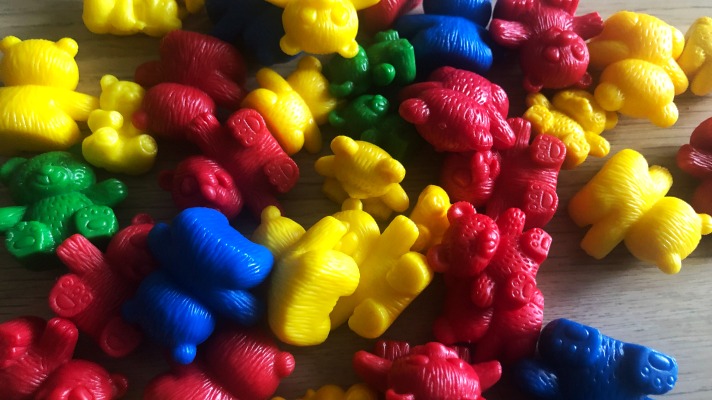
Spread out counting bears (or any small toys in different colors). Ask questions like, “Can you find all the red bears?” or “How many blue ones did you find?” It turns counting into a hands-on, joyful game.
3. Letter Discovery:
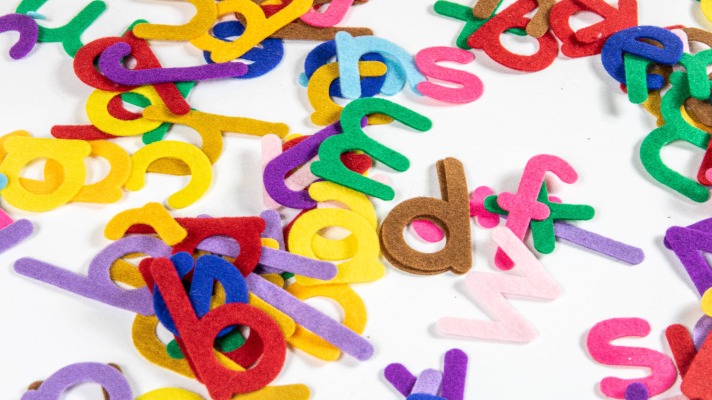
Toss in magnetic or foam letters and invite your child to hunt for the ones in their name, or “write” with their finger in the sand. It’s a relaxed, pressure-free way to explore letters and build confidence.
4. Animal Adventures:
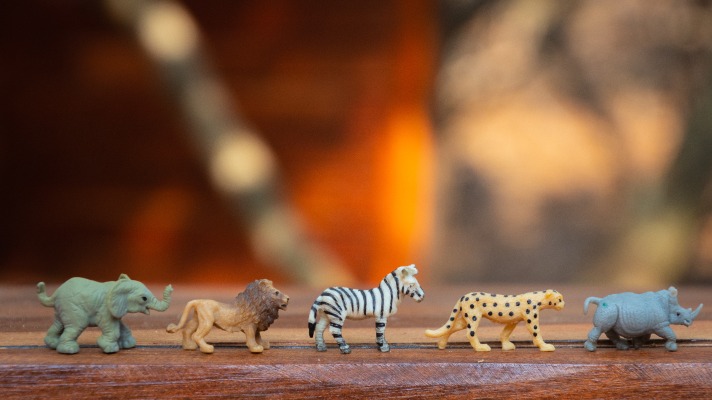
Add toy animals for a mini dig. You can “hunt for jungle animals” or “build a zoo”—or just follow where your child’s interests lead! The stories and exploration are what matter most.
5. Try New Textures:
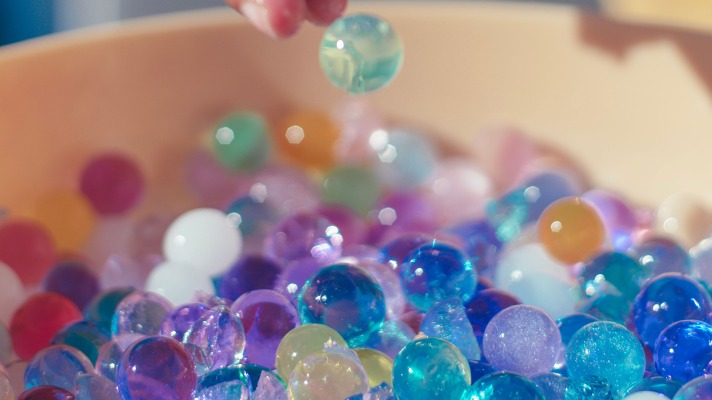
Mix in rice, beans, or water for variety. Creating sensory “worlds” with different mediums can make sandbox time feel brand new again.
How Can I Keep Sand Play Fresh and Fun for Imaginative Play?
It’s easy for play to get repetitive—but a little variety can go a long way:
- Rotate toys and tools: Bring out new shapes or funnels every so often to keep things interesting.
- Ask open-ended questions: Prompt creativity and work on communication skills with “What could we build if we add water?” or “Can you make a mountain or a tunnel?”
- Jump in, too: Kids love when grown-ups play with them, even if it’s just for a few minutes. You might be surprised by their ideas!
- Use themes: A construction site, beach, or dinosaur “dig” can nudge imaginative play into overdrive.
What Are Some Unique Sensory Bin Ideas?
You don’t need a big backyard or a fancy setup for sensory play. Sensory bins work beautifully inside, using what you have nearby. Try these ideas:
- Kinetic sand tray—offers a softer, moldable touch and is easy to contain indoors.
- Nature mix—blend sand with pinecones, pebbles, or leaves for a taste of the outdoors indoors.
- Miniature worlds—for older kids, tiny figures and landscape pieces create scenes for storytelling and exploration.
Your goal? Offer different textures and materials that make your child want to dig in and see what happens next. Simpler is usually better—their imagination does the rest!
How Can I Keep Our Sandbox Clean and Welcoming?
A tidy sandbox makes playtime safer and more appealing. Try these quick routines to keep things running smoothly:
- Rake the sand regularly to loosen clumps and remove any hidden debris.
- Keep a fitted lid or tarp handy—covering the sandbox when not in use keeps critters and moisture out, and helps the sand dry completely before closing up.
- Check for unwanted bits inside and refresh or replace sand every 2–3 years (or if it seems extra dirty).
- Store tools in an open bin so they can dry and stay organized.
- Indoors, pop a mat under sensory bins for quick, stress-free cleanup.
What’s the Best Way for Parents to Support Sand Play?
Your encouragement makes a big difference! Here’s how to help your child get the most out of each play session—without feeling like you have to “teach” every moment:
- Observe and follow their interest—Notice what captures your child’s attention, and offer questions or ideas related to what they love.
- Build vocabulary—Describe what they’re doing: “You filled the bucket to the top!” or “The sand is really soft today.”
- Promote problem-solving skills—If something collapses or doesn’t work, ask questions like “What else could we try?” instead of stepping in with the solution right away.
- Celebrate effort—Praise the trying, the exploring, and the learning: “I love how hard you worked on your castle!”
- Respect comfort zones—If your child hesitates, that’s normal. Let them explore sand at their pace and comfort level.
Looking for Sensory Play Products? Here Are a Few Parent-Friendly Options From Simplay3
Sometimes having the right gear can make all the difference. These thoughtfully designed products from Simplay3 are great for creating fun, low-maintenance sensory play at home:
Big play and smart storage all in one—this bench transforms into a closed storage box when playtime ends.
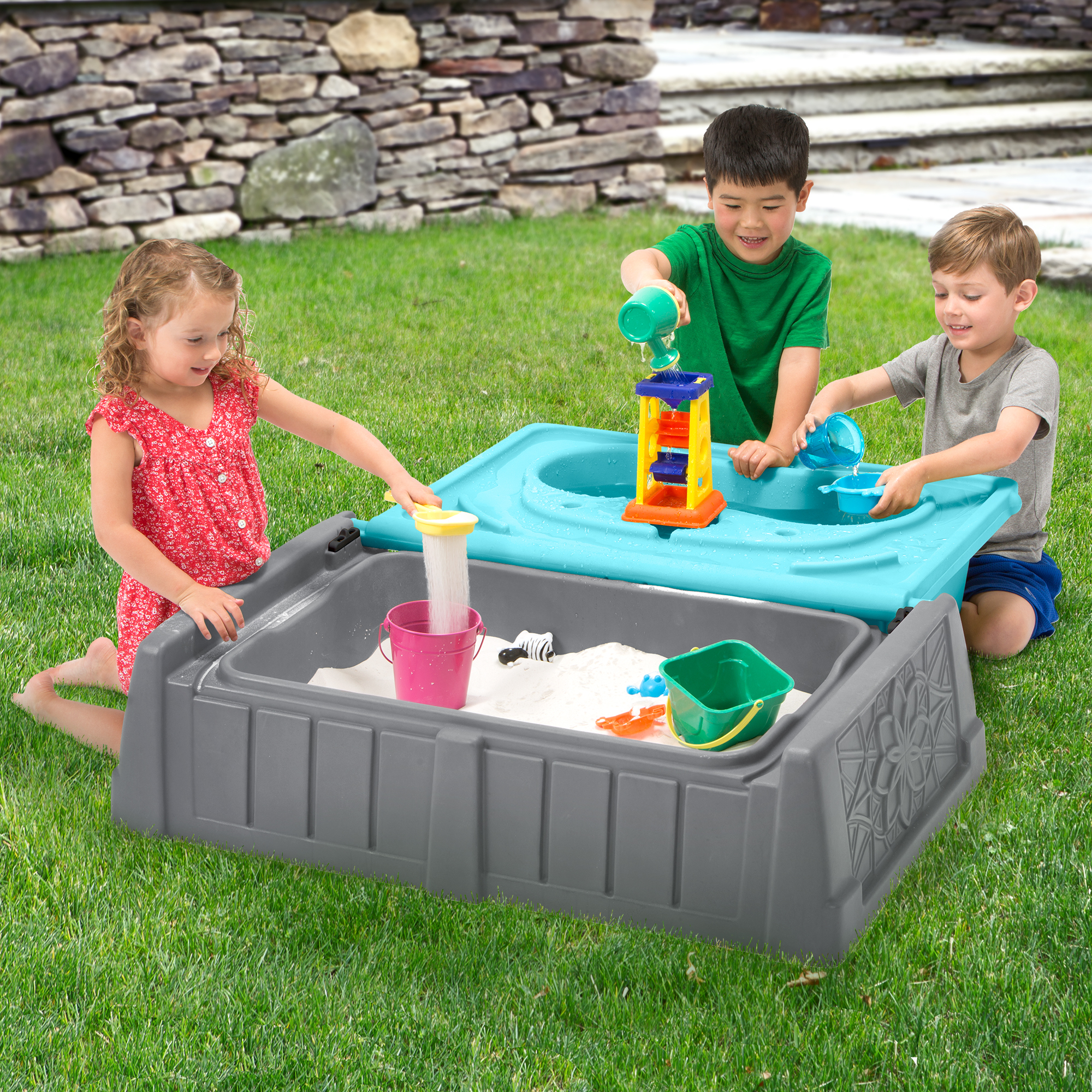
Great for both indoor and outdoor play, with built-in storage bins to keep things organized between sessions.
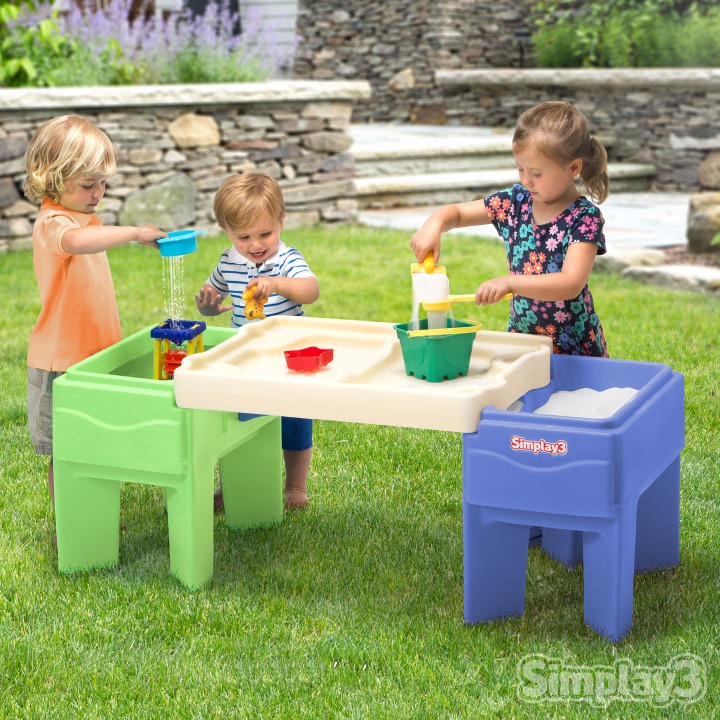
Friendly design, easy to fit, and a lid for tidy sand—the perfect backyard addition.
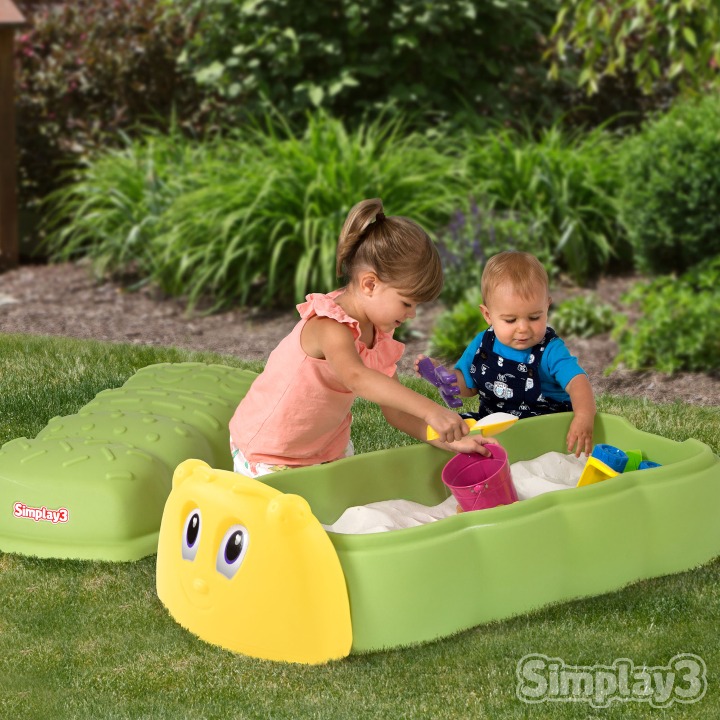
Roomy enough for multiple kiddos, plus a removable lid for easy cleanup.
Blue Mountain Off Road Adventure Sandbox:
Molded-in roads and terrain add fresh new ways to play (with sand or any sensory material).
Creative Kids Sensory Play Table:
Features textured pads and fidget-friendly pieces to keep busy hands happy indoors.
Both the Coastal Crab and Blue Mountain Off Road Adventure Sandboxes can be found online and in store at Walmart.
For even more inspiration, check out Simplay3’s full line of Sandboxes and Water Tables. There’s something for every family, every space, and every imagination.
Embrace the Joy of Sensory Sand Play & Learning (One Scoop at a Time)
No matter your child’s age or interests, sand play is a gentle, powerful way to help them grow—right in your own home or backyard. Whether you’re digging for treasure, counting colorful toys, or just enjoying the soothing feel of cool sand, you’re giving your child so much more than just playtime.
- Fine motor skills
- Problem-solving
- Creativity
- Social skills
- And confidence—all flourish, scoop after scoop.
You don’t need perfect materials or a Pinterest-worthy setup to create these learning moments. Even a simple bin of sand can open the door to big discoveries and special family memories.
If you’re looking for more friendly guidance, explore the Simplay3 blog for posts like What Are Sensory Toys? Above all, follow your child’s lead, enjoy the mess, and celebrate every little discovery along the way!